
Bitumen Emulsion vs Cutback Bitumen: Which Should You Use?
Bitumen emulsion vs cutback bitumen compared on safety, cost, curing and environment. Find out which binder suits your tack or prime coat.


Bitumen emulsion vs cutback bitumen compared on safety, cost, curing and environment. Find out which binder suits your tack or prime coat.

What is cationic bitumen emulsion? Learn how it differs from anionic, why it bonds better with Indian aggregates, and its IS 8887 grades.

Learn safe bitumen emulsion storage: temperature limits, tank and drum care, shelf life, mixing rules and safety tips. Read the full guide.

Learn the right bitumen emulsion application rate for tack coat, prime coat and surface dressing, with easy quantity examples. Read the guide.

Tack coat vs prime coat explained: where each is used, RS1 or SS1 emulsion grade, typical spray rates and site tips. Read the full guide.
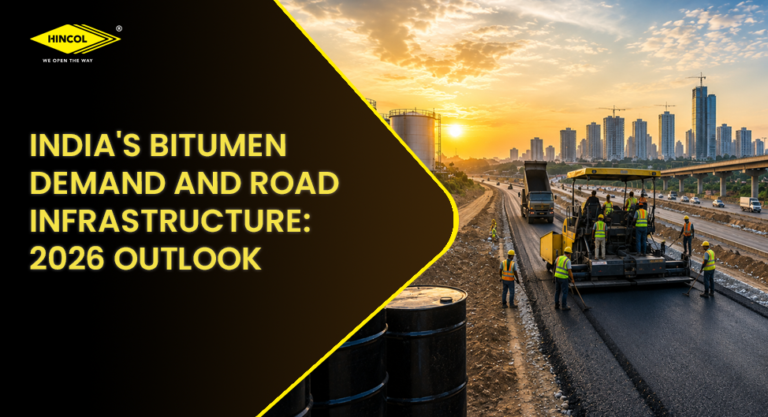
India is building roads at a historic pace. Behind every kilometre lies a growing demand for one essential material: bitumen. Understanding this demand helps contractors, suppliers, and planners prepare for what lies ahead. This article looks at India’s bitumen demand and road infrastructure heading into 2026. We cover the market size, the drivers of growth,…
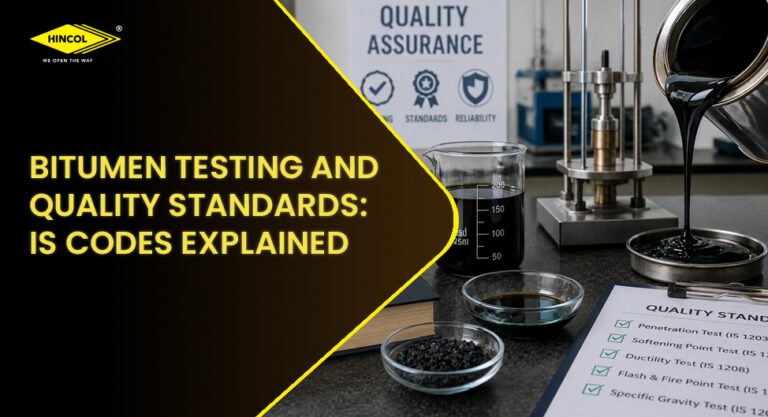
A road is only as good as the bitumen that binds it. Poor-quality bitumen leads to rutting, cracking, and early failure. That is why bitumen testing is not optional. It is the safeguard that protects every road investment. This guide explains the key bitumen tests, the Indian standards that govern them, and why quality control…
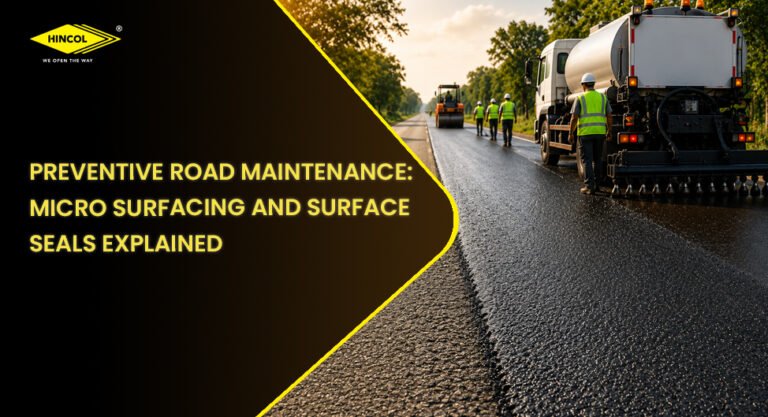
Most road budgets are spent fixing roads after they fail. That is the expensive way. The smart way is preventive maintenance, treating roads before they break down. Preventive road maintenance extends road life, improves safety, and saves money. Techniques like micro surfacing, surface dressing, and fog seals keep roads healthy for years. This guide explains…
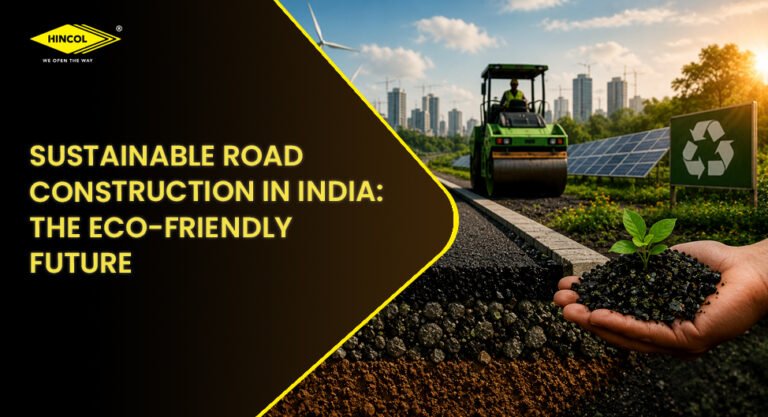
Road building has a big carbon footprint. It uses energy, raw materials, and produces emissions. As India builds roads at record pace, making that process greener has become a national priority. The good news is that sustainable road construction is no longer a distant idea. Plastic roads, rubberised bitumen, cold mix, and recycled materials are…
When building or repairing a road, one big choice is the mix technology. Cold mix or hot mix? Each has strengths, and the right pick depends on the project. Hot mix has been the industry standard for decades. Cold mix is newer, greener, and increasingly popular for repairs and rural roads. This guide compares cold…
Potholes are more than an annoyance. They damage vehicles, cause accidents, and cost the economy dearly. Every monsoon, Indian roads sprout thousands of new ones. The good news is that pothole repair has come a long way. Modern materials and methods can fix potholes faster and make the repair last far longer. This guide explains…
Standard bitumen works well for ordinary roads. But expressways, high-traffic corridors, and extreme climates demand more. That is where modified bitumen comes in. The two most popular modified bitumen types in India are PMB and CRMB. Both outperform plain bitumen. But they work differently, cost differently, and suit different projects. This guide compares PMB vs…
Quick answer: Bitumen is the black, sticky binder. Asphalt, or asphalt concrete, is the mix of bitumen with stone, sand and filler that forms the road surface. In India, “bitumen” usually means the binder, while in the USA “asphalt” often refers to the binder too. Bitumen and asphalt. People use these two words as if…
Quick answer: VG stands for Viscosity Grade. Under IS 73, paving bitumen is graded by its viscosity at 60°C. VG10 is the softest and suits spraying and cold regions. VG30 is the most widely used grade on Indian highways. VG40 is the hardest and suits heavy traffic and hot climates. If you work in road…
Quick answer: A bitumen road, also called a bituminous road, is a flexible pavement in which bitumen binds stone aggregates. It is built in layers: a compacted subgrade, granular sub-base and base, a prime coat, a tack coat, and bituminous layers such as DBM and BC on top. Every smooth highway you drive on shares…
Roads face enormous stress every day. Heavy trucks, monsoon rains, temperature swings of 40°C or more standard bitumen struggles to cope with all of this simultaneously. That is exactly why polymer modified bitumen was developed, and why it has become the preferred binder for high-performance road construction worldwide. If you are a road engineer, project…

Walk past any road overlay site in India and you’ll see workers spraying a chocolate-brown liquid on the old pavement before the new asphalt goes down. That brown liquid is a bitumen emulsion — and the reason it works at all comes down to a single ingredient most people never think about: the bitumen emulsifier….
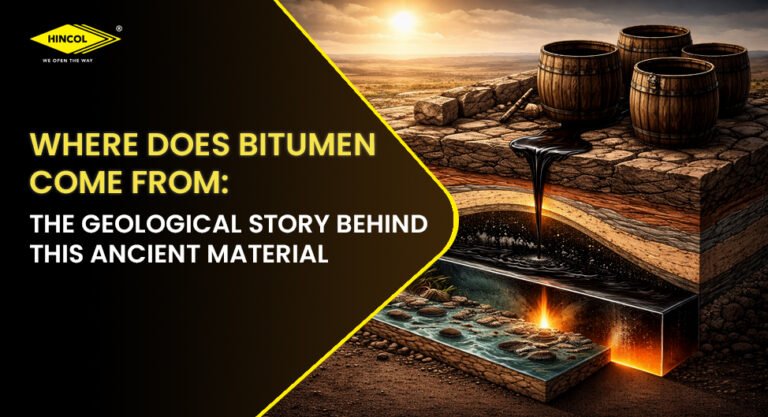
Quick answer: Bitumen is a black, sticky and highly viscous binder made of heavy hydrocarbons. Most bitumen used today comes from crude oil. Refineries obtain it as the heaviest fraction left after distillation. Natural bitumen also exists in lake deposits and rock asphalt, such as Trinidad’s Pitch Lake. Have you ever driven on a smooth…
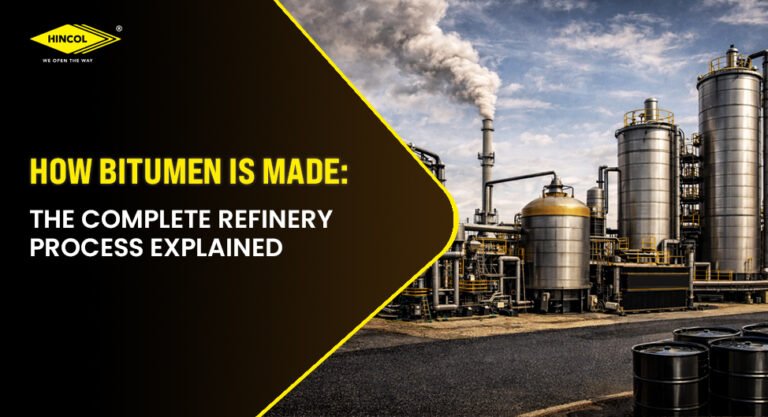
Quick answer: Bitumen is made in oil refineries. First, crude oil is heated and separated by atmospheric distillation. Next, the heavy residue goes through vacuum distillation. The heaviest product left at the bottom is bitumen. Finally, refiners may air-blow or blend it to reach a paving grade such as VG30 or VG40. Bitumen (also called…
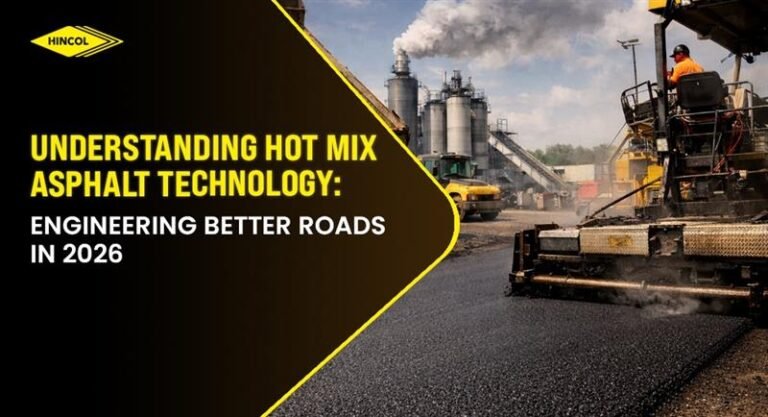
Road construction in 2026 demands durable, high-quality pavement solutions. Hot mix asphalt (HMA) has long been the backbone of modern road building, producing strong, weather-resistant pavements for highways, city streets and airports. In a hot mix plant, heated aggregates (sand, gravel, crushed stone) are thoroughly mixed with liquid bitumen at temperatures around 100–200 °C to create…
End of content
End of content