

Sustainable Bitumen Emulsion Manufacturers & Supplier in India
Bitumen Emulsion is a key component in modern road surfacing and we take pride in delivering superior solutions that exceed BIS/ASTM standards. HINCOL Bitumen Emulsions are formulated using cutting-edge technology, making the application of Bitumen easier, more cost-effective, and environmentally friendly. The carefully crafted Emulsions enhance the performance of road surfaces, improving durability and sustainability.

Why Choose HINCOL Bitumen Emulsions?
HINCOL (Hindustan Colas Limited) is India’s most comprehensive bitumen emulsion manufacturer — a joint venture of HPCL (Hindustan Petroleum Corporation Limited) and COLAS SA France, combining India’s leading petroleum refiner with global road construction expertise spanning 50+ countries. Every grade is manufactured under ISO 9001:2015 and tested in our NABL-accredited laboratories to IS 8887 and ASTM D2397 specifications. No heating required. Environmentally friendly. Available in bulk or drums nationwide.
ASTM Dual standard compliance
Find the Right Emulsion for Your Application
Tack Coat
Bonding between pavement layers. Try RS1 or HINTAC trackless emulsion for high-traffic areas.
Prime Coat
Seal granular base before surfacing. Use SS1 IS8887 or HINPRIME SS1 ASTM.
Surface Dressing / Chip Seal
Economical road resurfacing. Use Chip Seal RS2 or RS2.
Fog Seal / Slurry Seal
Preventive maintenance of existing roads. Use SS2 slow setting emulsion.

Low viscosity rapid setting emulsion. Breaks in ~15 min. Ideal for tack coat on new and aged bituminous surfaces.
View Product →
Trackless tack coat — does not pick up under construction traffic. Superior interlayer bond strength for highways.
View Product →
High viscosity rapid setting emulsion for surface dressing, grouting, and penetration macadam applications.
View Product →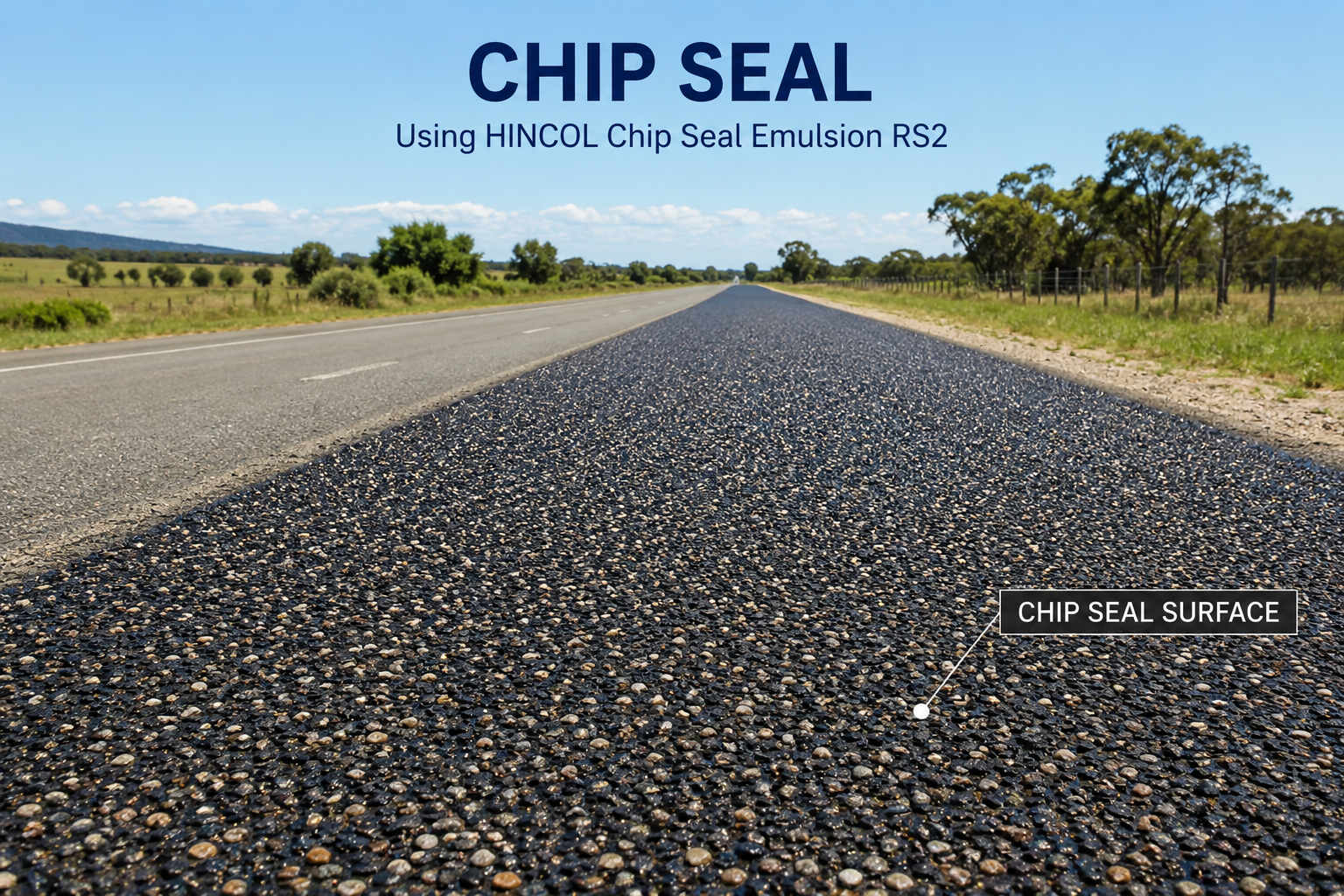
Polymer-modified RS2 formulated for single, double, and racked-in chip seal / surface dressing applications.
View Product →HINCOL Emulsions for Every Pavement Layer
From subgrade to surface — HINCOL has the right emulsion at every stage of road construction and maintenance.

Invert bitumen emulsion for prime coat. Penetrates up to 15mm into WMM/WBM base. Water immiscible. IS 8887 compliant.
View Product →
Slow setting SS2 for Fog Seal, Slurry Seal, and Premix Seal Coat. NIL coagulation. Bonds on cool/damp surfaces.
View Product →
For Emulsion Treated Base, soil stabilization, in-situ recycling, and Full Depth Reclamation. HINCOL mix design support available.
View Product →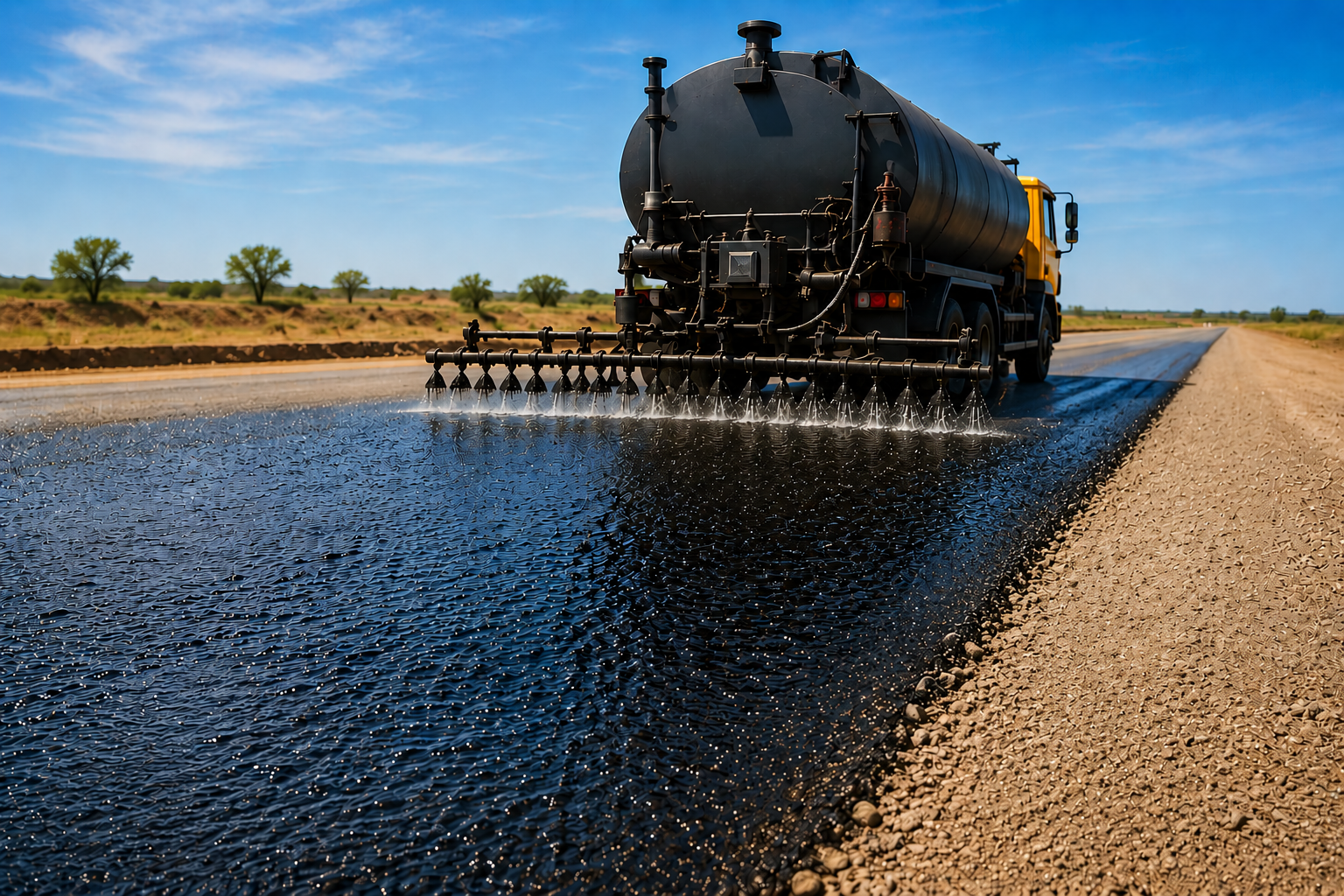
Slow setting SS2 emulsion for Mix Seal Coat Type B (Premixed Seal Coat) on rural and district roads. No heating required.
View Product →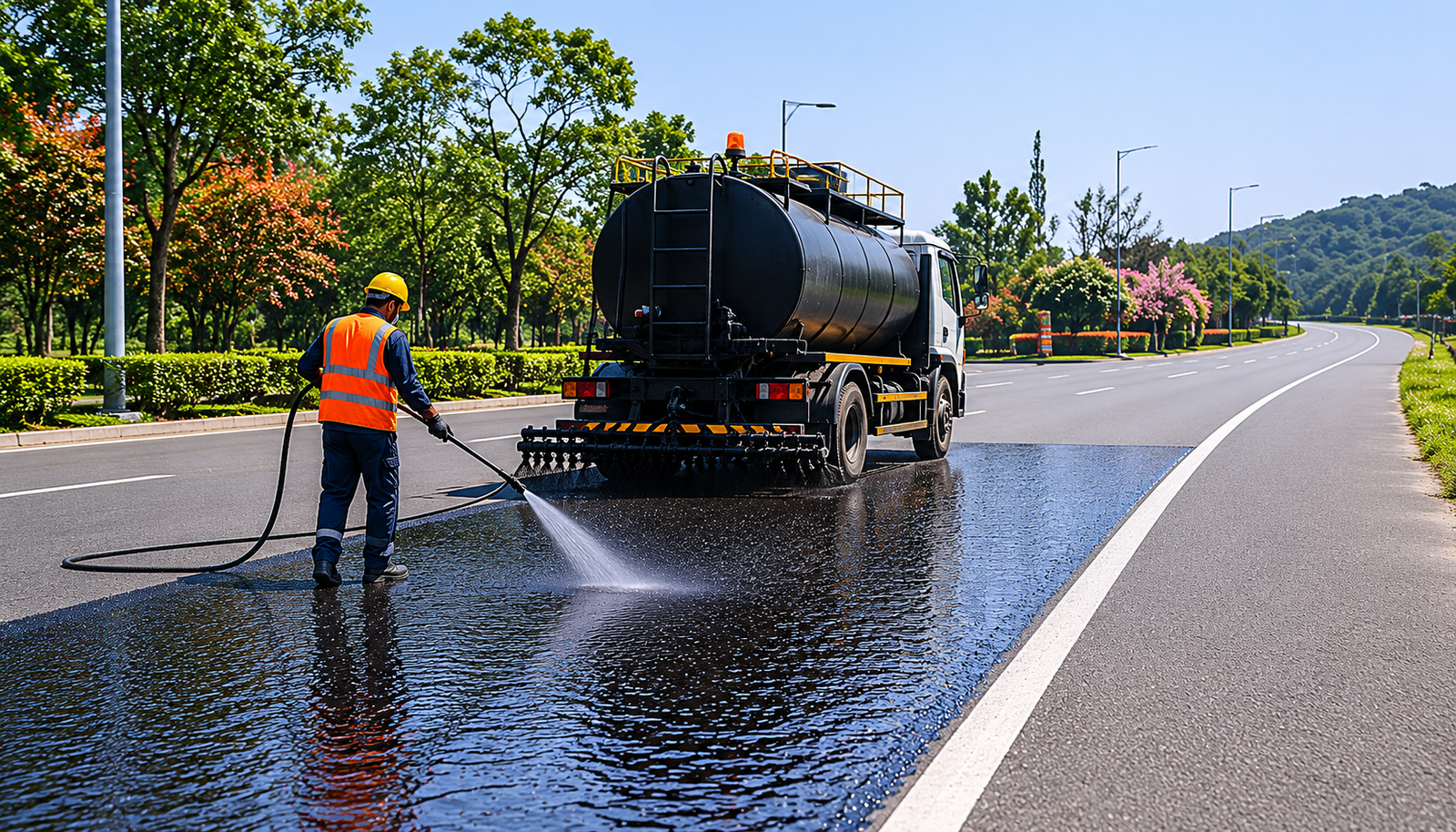
Dense Cold Mix Bituminous Concrete emulsion for base/binder courses, pothole repair, trench reinstatement, and temporary roads.
View Product →
Medium setting emulsion for premix, patch, and patchwork repairs. Anti-stripping properties allow light rain application.
View Product →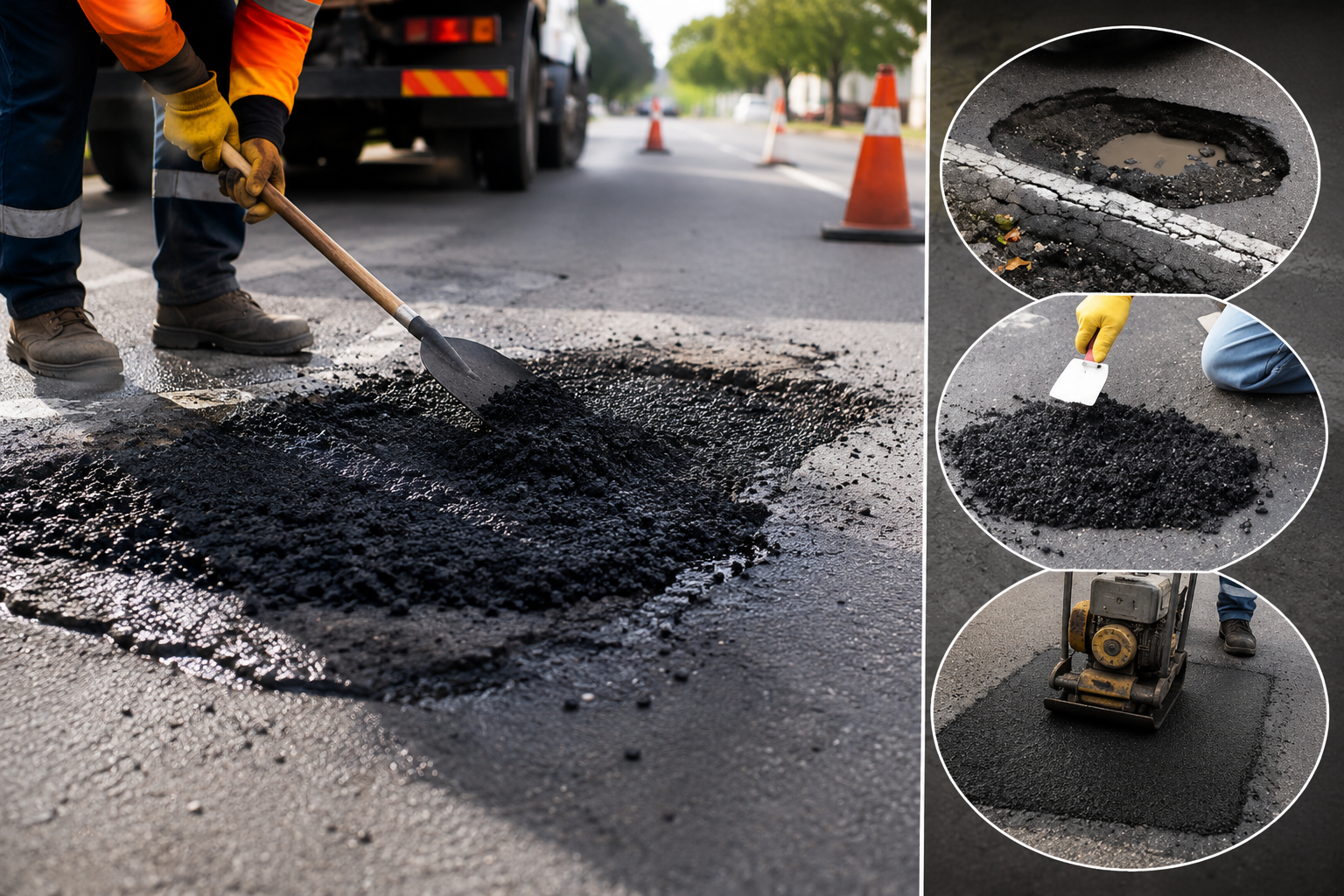
Open Graded Premix Carpet (OGPC) emulsion for plant/concrete mixer production. CSIR validated. PMGSY rural roads and district highways.
View Product →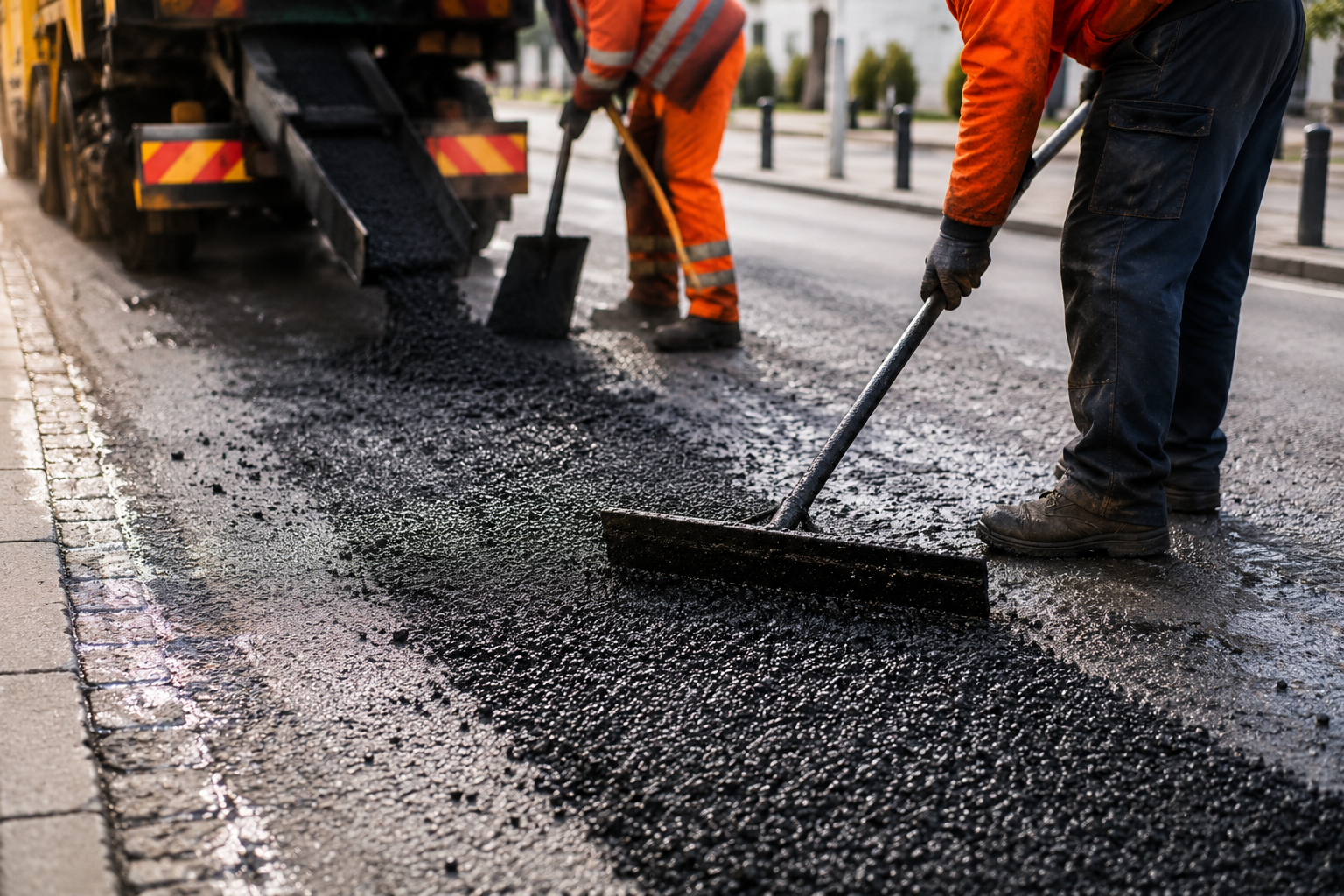
Open Graded Premix Carpet (OGPC) emulsion tailored for paver-laid application. Superior surface finish. PMGSY and state highway projects.
View Product →
Slow setting cationic emulsion to ASTM specification. For fog seal, crack seal, and prime coat on WBM surfaces.
View Product →
Excellent breaking time and high adhesion. For Fog Seal, Crack Seal, Cold Mix, and Prime Coat applications to ASTM specification.
View Product →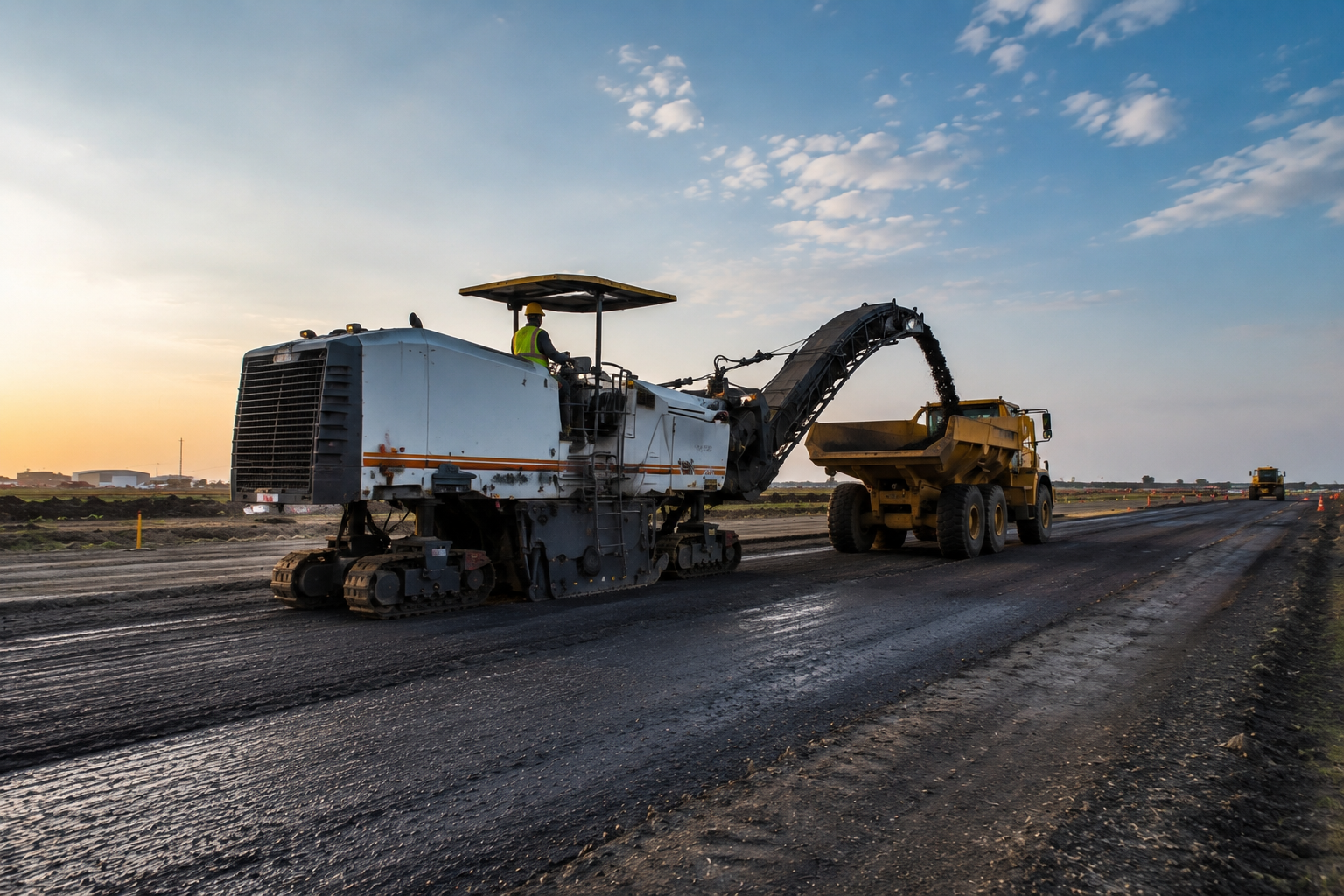
High penetration prime coat for granular base waterproofing and dust control on unsealed roads. ASTM D2397 compliant.
View Product →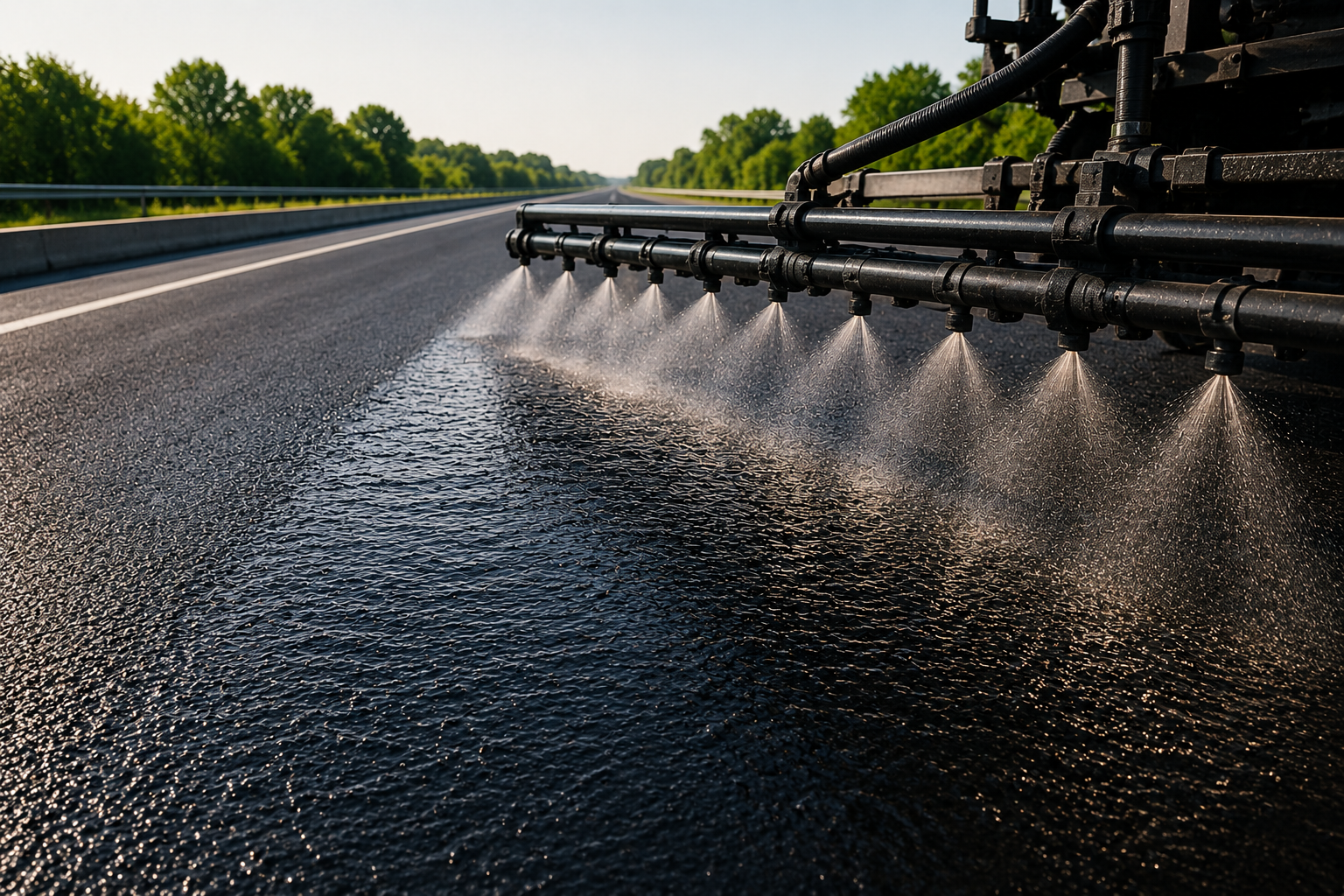
Polymer-modified premium bond coat emulsion C50BP-64 for high-performance interlayer bonding on highways and airports.
View Product →
Polymer-modified premium bond coat emulsion C50BP-70 for demanding pavement performance requirements.
View Product →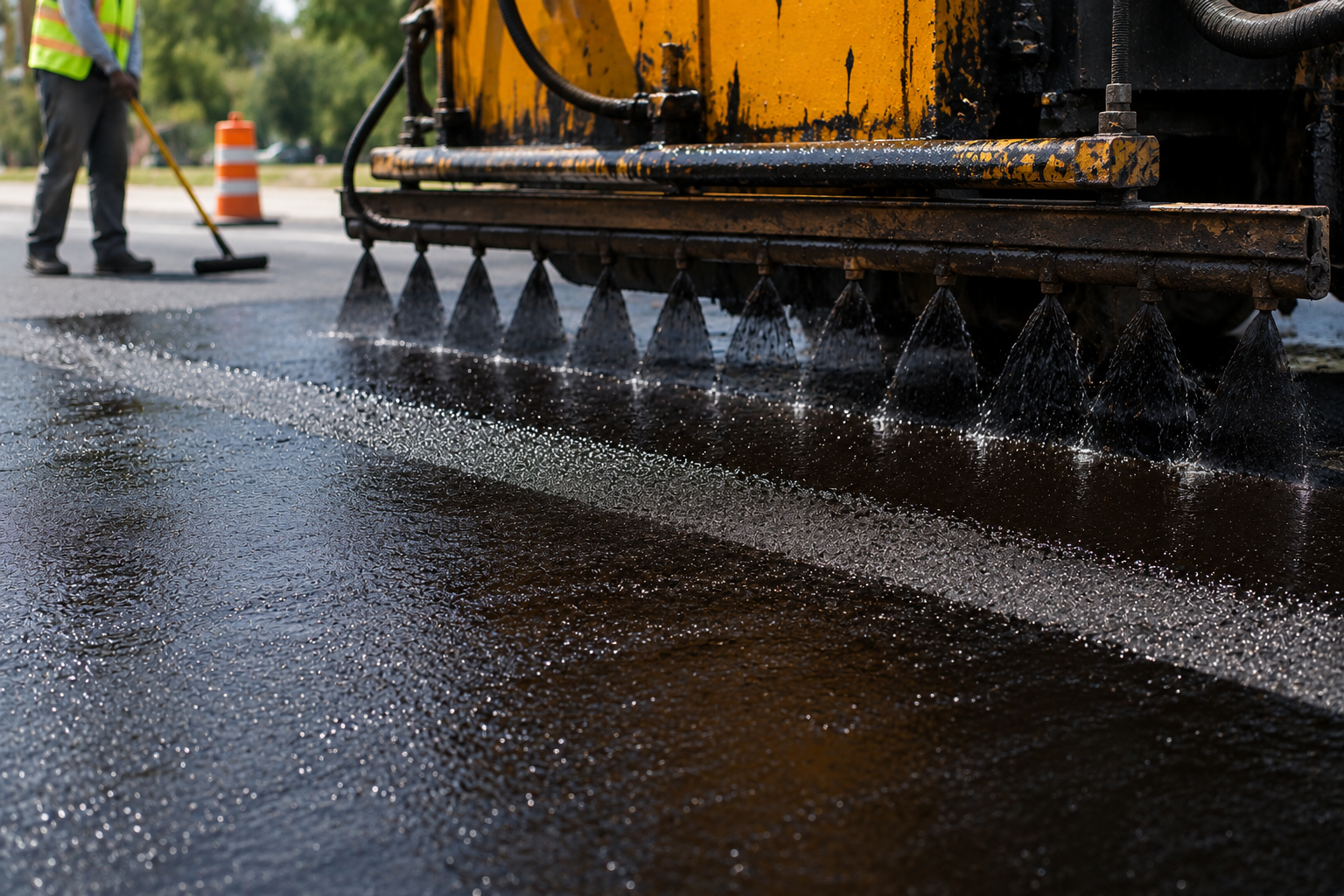
Polymer-modified premium bond coat emulsion C50BP-76 for highest performance pavement bonding requirements.
View Product →How Bitumen Emulsion Works
Understanding the emulsion process helps ensure correct selection and application on site.
Manufacturing
Hot bitumen from HPCL refineries and water are passed through a colloid mill with an emulsifier — producing stable bitumen droplets dispersed in water. HINCOL uses IS 8887 / ASTM D2397 compliant production at each plant.
Selection
Select grade based on application: RS for tack coat / surface dressing; SS1 for prime coat; SS2 for fog seal / slurry seal; SS2-Stab for ETB / stabilization; MS for cold mix / patching.
Application
Applied via bitumen pressure distributor at controlled temperature (ambient — no heating needed). Emulsion is sprayed directly from the tanker in a uniform film.
Breaking / Setting
Water evaporates and emulsifier charge neutralises — bitumen droplets coalesce into a continuous film. RS breaks in ~15 min; SS grades have extended breaking time for better penetration.
Curing
After breaking, the bitumen film undergoes full curing as remaining moisture is released. Curing rate depends on temperature, humidity, and emulsion grade.
Trafficking
Once cured, the layer is ready for traffic or overlaying. HINTAC Trackless emulsion may be trafficked immediately after application without aggregate tracking.
Manufactured to the Highest Standards
Every HINCOL bitumen emulsion batch is tested in our NABL-accredited
laboratories before dispatch. Quality checks include sieve test, viscosity,
storage stability (every batch) and particle charge, residue properties and penetration
(every 200 MT). Our IS 8887 and ASTM D2397 compliant manufacturing is certified
under ISO 9001:2015 quality management systems.
A joint venture of HPCL and COLAS SA France — HINCOL brings together
India’s largest petroleum refiner and a global leader in road construction with
operations in 50+ countries — delivering world-class bitumen emulsion technology
to Indian road builders.
Ready to Order HINCOL Bitumen Emulsions?
Bulk supply across India. Mix design support. NABL-tested quality. Available online on L&T SuFin marketplace with GST invoice.
Frequently Asked Questions — Bitumen Emulsions
How is bitumen emulsion manufactured?
HINCOL bitumen emulsions are manufactured through a controlled industrial process at our plants across India, using COLAS SA France technology and base bitumen from HPCL refineries:
- Step 1 — Base bitumen preparation: VG-30 or VG-40 refinery bitumen from HPCL is heated to 150–180°C to reduce its viscosity for processing through the colloid mill.
- Step 2 — Emulsifier solution: Demineralised water is combined with a precisely dosed emulsifier — a surfactant that gives the bitumen droplets their electrical charge (cationic = positive, which is the charge of all HINCOL grades) — and acidified to the correct pH.
- Step 3 — Colloid mill processing: Hot bitumen and the emulsifier solution are simultaneously fed into a high-speed colloid mill — the key piece of equipment. The mill shears the bitumen into microscopic droplets of 1–10 microns and disperses them uniformly throughout the water phase.
- Step 4 — Grade determination: The emulsifier type, its concentration, and the processing conditions control the final grade — RS (rapid/fast break), MS (medium), or SS (slow). Polymer-modified grades such as HINTAC, CRS2P, and BONDCOAT include SBS or latex polymer added to the bitumen phase before milling.
- Step 5 — Quality control: Every batch is tested in HINCOL’s NABL-accredited laboratory — sieve test, viscosity, particle charge, storage stability, and residue properties — before release for dispatch.
- Step 6 — Storage and dispatch: Finished emulsion is stored in stainless steel tanks at 10°C–50°C and dispatched in bulk tankers or 200 kg drums (MS/RC/HDPE) to road construction and maintenance sites across India.
What is bitumen emulsion and how is it made?
Bitumen emulsion is a liquid product where bitumen is dispersed as fine droplets in water using an emulsifier. It is produced by passing hot bitumen and water containing an emulsifier through a colloid mill. The emulsifier gives the droplets an electrical charge — cationic (positive) like all HINCOL grades, or anionic (negative) — that keeps them stable in water. When applied to road surfaces, the water evaporates and the bitumen droplets coalesce into a continuous bitumen film. This process is called breaking or setting.
What is the difference between RS, MS, and SS bitumen emulsions?
- RS (Rapid Setting) — Breaks quickly on contact with aggregate. Used for tack coat and surface dressing where fast setting is needed. Examples: RS1, RS2, HINTAC.
- MS (Medium Setting) — Controlled setting rate. Used for premix applications and patching where longer working time is needed. Example: HINCOL MS.
- SS (Slow Setting) — Extended setting time for better penetration and mixing. Used for prime coat, fog seal, slurry seal, soil stabilization, and cold mix. Examples: SS1, SS2, SS2-Stab.
Which HINCOL emulsion should I use for tack coat?
For standard tack coat between asphalt pavement layers — use HINCOL Emulsion RS1 (IS 8887 compliant, breaks in ~15 min). For premium projects where trackless application is needed (no aggregate pickup under construction traffic) — use HINCOL HINTAC polymer-modified trackless tack coat emulsion.
Which HINCOL emulsion is used for prime coat on WMM/WBM?
For prime coat on Wet Mix Macadam (WMM) or Water Bound Macadam (WBM) surfaces — use HINCOL EMULTRA PLUS SS1 (IS) to IS 8887 specification. For projects requiring ASTM compliance, use HINCOL HINPRIME SS1 (ASTM). Both penetrate 8–15mm into the base, waterproof the layer, and prevent ingress of surface water.
What is Full Depth Reclamation (FDR) and which emulsion is used?
Full Depth Reclamation (FDR) is a pavement rehabilitation technique where the entire existing road structure is pulverized and treated with bitumen emulsion in place — creating a new stabilized base without importing new aggregates. HINCOL offers SS2-Stab and SS2-FDR for this application, with full laboratory mix design, field supervision, and quality control support from HINCOL’s technical team.
Do HINCOL bitumen emulsions require heating before application?
No. HINCOL bitumen emulsions are water-based and are applied at ambient temperature — no heating equipment required. This is one of the major advantages of emulsion over hot bitumen or cutback bitumen — significant savings in fuel, equipment, and safety risks. Emulsion should be stored at 10°C–50°C and never heated above 85°C during application.
What is HINCOL HINTAC and how is it different from RS1?
HINTAC is HINCOL’s polymer-modified trackless tack coat emulsion — a premium product for high-traffic highways. Unlike RS1 (standard tack coat), HINTAC cures to a non-sticky, trackless state within minutes of application. This means construction vehicles can drive over the tack coat layer without picking up bitumen on their tyres — eliminating tracking, reducing contamination of adjacent lanes, and improving site cleanliness. HINTAC also provides superior interlayer bond strength for longer pavement life.
What are the packaging options for HINCOL bitumen emulsions?
HINCOL bitumen emulsions are available in:
- Bulk supply — delivered via bitumen tankers to project sites or storage tanks (most economical for large projects)
- Drums — 200 kg MS/HDPE drums for smaller projects, remote sites, or standard tack coat applications
Contact HINCOL at corporate@hincol.com or +91-22-23023250 for pricing and bulk supply logistics.
What is the storage life of HINCOL bitumen emulsions?
- Short term (3–5 days): Can be stored without special measures.
- Medium term (up to 2–3 weeks): Gentle weekly agitation or drum rolling to maintain homogeneity.
- Always store at 10°C–50°C. Never heat above 85°C. Never freeze. Never over-circulate by excessive pumping.
Where can I buy HINCOL bitumen emulsions online?
HINCOL bitumen emulsions are available online on the L&T SuFin B2B marketplace with GST invoice and assured quality. For bulk supply, project quotations, mix design support, and technical guidance — request a quotation via the form on this page or contact us at corporate@hincol.com.