
Bitumen Emulsion vs Cutback Bitumen: Which Should You Use?
Bitumen emulsion vs cutback bitumen compared on safety, cost, curing and environment. Find out which binder suits your tack or prime coat.


Bitumen emulsion vs cutback bitumen compared on safety, cost, curing and environment. Find out which binder suits your tack or prime coat.

What is cationic bitumen emulsion? Learn how it differs from anionic, why it bonds better with Indian aggregates, and its IS 8887 grades.

Learn safe bitumen emulsion storage: temperature limits, tank and drum care, shelf life, mixing rules and safety tips. Read the full guide.

Learn the right bitumen emulsion application rate for tack coat, prime coat and surface dressing, with easy quantity examples. Read the guide.

Tack coat vs prime coat explained: where each is used, RS1 or SS1 emulsion grade, typical spray rates and site tips. Read the full guide.
Bitumen emulsions are liquid asphalt binders that can be sprayed or mixed at ambient temperature. They consist of tiny bitumen droplets suspended in water by an emulsifying agent. This cold-applied technology means road crews do not need hot plants on site – the emulsion flows easily without heating. In this guide, we explore the different types…
Bitumen emulsions are liquid asphalt binders made by dispersing hot bitumen into water with emulsifiers. In simple terms, they form a two-phase system: tiny bitumen droplets (usually microns in size) dispersed in a continuous water phase. These emulsions flow at ambient temperatures, allowing the binder to coat aggregates without heating. The bitumen emulsion manufacturing process blends heated…
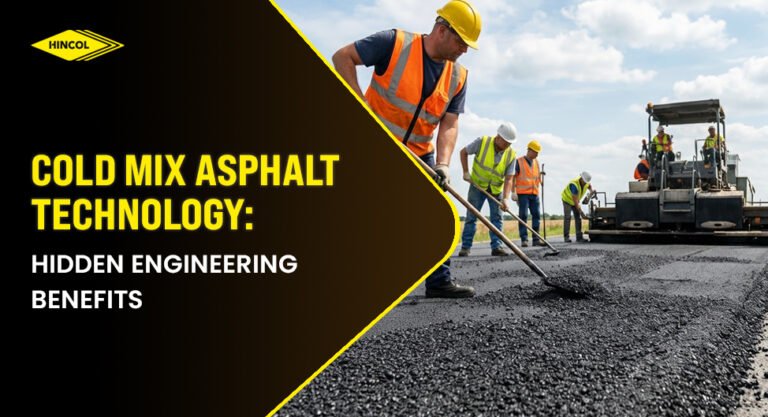
Quick answer: Cold mix asphalt is an asphalt mix produced and laid without heating, using bitumen emulsion as the binder. It cuts fuel use and emissions, works in remote and wet locations, and suits pothole repair and low-volume roads. New to the topic? Start with what is cold mix. Cold mix asphalt technology is a…

Quick answer: Potholes form when water enters cracks in the road surface and weakens the layers below. Heavy traffic then pumps out loose material, and a hole appears. In India, monsoon rain, poor drainage and overloaded vehicles speed up the process. Road potholes claim thousands of lives in India each year, with in pothole-related accidents…
Corrigendum
End of content
End of content