
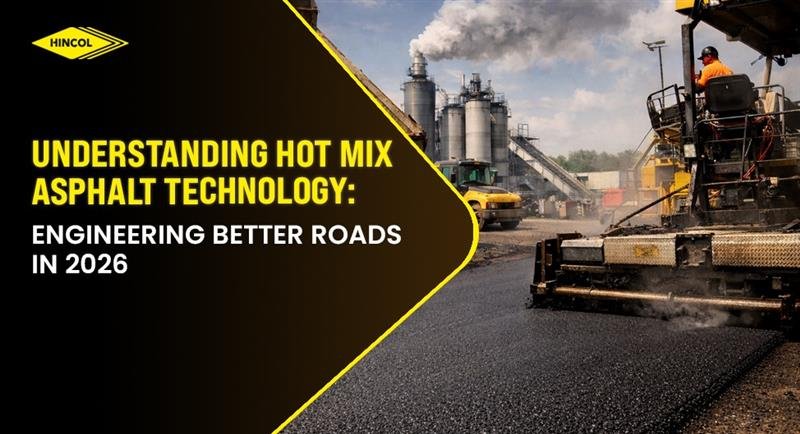
Understanding Hot Mix Asphalt Technology: Engineering Better Roads in 2026
Road construction in 2026 demands durable, high-quality pavement solutions. Hot mix asphalt (HMA) has long been the backbone of modern road building, producing strong, weather-resistant pavements for highways, city streets and airports. In a hot mix plant, heated aggregates (sand, gravel, crushed stone) are thoroughly mixed with liquid bitumen at temperatures around 100–200 °C to create asphalt concrete. This process ensures the asphalt is workable during laying and achieves a dense, uniform coating of binder on each particle. For example, a recent review notes that such plants “mix aggregates and bitumen into asphalt at the required temperature,” producing a strong uniform mix that stands up to heavy traffic and tough weather.
A modern hot mix plant in operation. These facilities heat and blend aggregate with bitumen to produce asphalt concrete used for roads. Hot mix plants are widely used in road projects because they deliver consistent quality and large production volumes. A typical plant includes systems for storing and feeding aggregates, a drying drum with a fuel burner, mixing mechanisms, dust collectors, and hot-mix storage silos.
The cold aggregate feed is first screened and dried, then mixed with precise quantities of hot bitumen in either a continuous drum or batch mixer. Modern plants also include emission-control units (baghouse filters) to capture dust and reduce pollution. Once mixed, the hot asphalt is stored in insulated silos ready for transport to the paving site.
Types of Hot Mix Asphalt Plants
Hot mix asphalt plants come in several configurations to suit different project needs:
- Drum Mix Plants (Continuous) – In a drum mix plant, drying and mixing occur continuously in the same rotating drum. These units are compact and portable, making them popular for large highway projects. Drum plants offer steady, uninterrupted production and are often more fuel-efficient and simpler to maintain than batch plants.
- Batch Mix Plants – Batch plants produce asphalt in discrete batches, allowing precise control over the mix design and binder content. They are ideal for projects requiring specialized asphalt types or frequent mix changes. Batch plants typically yield very high-quality asphalt because each batch is mixed and tested individually.
- Mobile/Modular Plants – Both drum and batch plants can be built on trailer or containerized frames for easy relocation. Mobile hot mix plants can be installed within days, often without permanent foundations, providing on-site production flexibility. This mobility is valuable for remote or short-term projects where hauling asphalt from a distant plant would be impractical.
Choosing the right plant depends on factors like production capacity, mix requirements and project location. For example, small to medium projects may opt for a compact mobile plant, while large expressway projects use high-capacity drum plants.
Quality and Durability of Hot Mix Asphalt Roads
The primary advantage of hot mix asphalt is the high and uniform quality of the pavement it produces. Modern plants use precise controls (weigh feeders, automated sensors, etc.) to ensure each batch has the correct proportions of aggregate, bitumen and fillers. This consistency leads to strong binder-aggregate adhesion, which is critical for pavement strength. In fact, hot asphalt allows the bitumen binder to thoroughly coat each particle, forming a tight bond. The resulting mixes are easy to compact densely. Hot mix asphalt can be compacted while still warm, significantly reducing air voids in the pavement. A dense, well-compacted surface resists water infiltration and rutting.
In practice, these quality features translate to durable roads. Asphalt from a hot mix plant creates pavements that withstand heavy traffic loads and extreme weather. For instance, road tests show that hot-mix roads maintain their integrity under hot summers and wet monsoons. Well-bonded hot asphalt layers provide high load-bearing capacity, so highways and city roads endure trucks and buses without breaking down quickly. As a result, hot-mix roads typically require fewer repairs: properly built asphalt pavements can last 15–20 years or more with minimal maintenance. In short, hot mix asphalt yields smooth, long-lasting road surfaces that keep maintenance costs and traffic disruptions low over decades.
Innovations in Hot Mix Asphalt Technology
In 2026, hot mix plant technology continues to evolve with advanced engineering:
- Smart Automation & Controls: Modern plants are equipped with PLC-based control systems, touch-screen HMIs and IoT sensors that monitor every stage of production. Automated batching ensures precise aggregate and binder ratios, while digital dashboards track mix temperature and production volume in real time. This smart integration minimizes human error and keeps mix properties consistent across batches.
- Energy Efficiency & Low Emissions: New asphalt plants are designed for fuel savings and pollution reduction. Features such as energy-optimized burners (compatible with diesel, LPG or waste oil), improved insulation, and multi-zone drying drums lower fuel consumption. Dust capture systems (baghouse filters) and low-NOx burners significantly cut particulate and greenhouse gas emissions. For example, one manufacturer reports plants that meet strict CPCB (Central Pollution Control) standards with heat retention technology.
- Modular & Portable Designs: Hot mix plants increasingly use modular construction so that they can be assembled, disassembled and moved quickly. Portable plants can save weeks of installation time and reduce transportation needs. In practice, this allows contractors to set up asphalt production near the project site. For instance, mobile drum plants have been deployed on highway expansions and rural developments to cut down material trucking and accelerate project schedules.
- Precision Weighing and Mixing: High-end plants use load-cell weighing and automated feeders to meter aggregates and bitumen with great accuracy. This precision ensures that the asphalt density, binder content and gradation exactly meet engineering specifications. The result is improved bond strength and pavement durability.
- Real-Time Data & Predictive Maintenance: Data logging and analytics are standard in modern plants. Production data (output rate, mix temperature, fuel usage) is recorded and analyzed to optimize performance. Predictive maintenance alerts help avoid breakdowns by flagging wear on key components before failure. Such data-driven approaches boost uptime and keep quality on target throughout large jobs.
- Advanced Mix Designs: Hot mix plants today handle sophisticated asphalt mixes. They can integrate reclaimed asphalt pavement (RAP) and polymer-modified binders to enhance performance. Specialized mix types like Stone Mastic Asphalt (SMA) and warm-mix asphalt (WMA) are also supported. For example, warm-mix additives allow asphalt production and paving at 20–40 °C lower temperatures, cutting fuel use and emissions without sacrificing pavement strength.
These innovations make 2026-era hot mix asphalt technology far more flexible, efficient and sustainable than older methods.
Crews pouring hot asphalt mix into a road trench for patching. After mixing, the hot asphalt is laid and compacted – here done manually – to form a seamless pavement. Proper compaction (above) is crucial for eliminating voids and ensuring durability. After leaving the plant, the hot asphalt is transported to the paving site and spread onto the prepared base.
Modern highway construction uses paving machines to lay and initially compact long asphalt strips, but even small repairs are done by hand-pouring as shown above. Crucially, the asphalt must be compacted while hot: rolling or tamping expels air and fuses the mix into a dense, watertight surface. A well-compacted hot-mix pavement is far tougher against traffic wear; it resists cracking and rutting under heavy loads. In practice, this is why hot-mix roads carry heavy urban and highway traffic with minimal cracking, reducing pothole formation and extending pavement life.
Read also:- Cold Mix Asphalt Technology: Hidden Engineering Benefits
Environmental & Economic Aspects
While HMA offers superior performance, it is also energy-intensive. Heating moist aggregates consumes extra fuel: a technical report notes that just 1–2% moisture in aggregates can boost an asphalt plant’s energy use by over 13–15%. To offset this, modern plants implement eco-friendly features. They often recycle waste heat and use low-emission fuels, reducing the carbon footprint. Many plants also blend in recycled asphalt (up to ~20% RAP) without losing quality, saving both virgin materials and disposal costs. Additionally, a Hindustan Colas study found that hot-mix construction can be 5–6% more expensive than cold-mix alternatives, but that investment pays off in longevity.
Government projects increasingly mandate dust collection, emission controls and energy efficiency. For example, one highway contractor using an eco-designed hot mix plant reported a 20% drop in fuel use and a 30% cut in emissions during a major project. Although adding these systems raises upfront cost, the long-term savings and compliance benefits are clear. Reduced fuel and energy usage lower operating costs, and better air quality reduces environmental fines and delays.
Ultimately, while cold-mix or manual methods may seem cheaper initially, they cannot match hot mix asphalt for durability. As one industry analysis explains, cold-mix asphalt (using emulsified bitumen at ambient temperatures) yields a weaker pavement that is unsuitable for heavy traffic. In contrast, hot-mix asphalt’s strength and longevity justify its cost for most road applications. Modern hot mix plants strike a balance: they meet strict road specs and sustainability goals, yielding cost-effective roads over the long run.
Conclusion
Hot mix asphalt technology remains the cornerstone of road engineering in 2026. By combining precise mixing, advanced materials and intelligent controls, it produces roads that are stronger, safer and more reliable than ever. The evolution of hot mix plants – towards greater automation, fuel efficiency and modularity – means infrastructure projects can be completed faster and with lower life-cycle costs. In the words of industry experts: investing in next-generation hot mix plants today is a strategic investment that ensures stronger, longer-lasting roads for the future.
Key Takeaways:
- Hot mix asphalt is made by heating and mixing aggregates with bitumen; it’s used for virtually all major road construction.
- Modern hot mix plants come in continuous (drum) or batch configurations, and many are mobile for on-site use.
- Uniform heating and automated mixing in these plants yield very consistent, compactable asphalt with strong binder bonding.
- Roads built with hot-mix asphalt are durable: high-load capacity, weather-resistant, and often last 15–20 years or more.
- Advances in technology (smart controls, energy-efficient burners, data analytics, recycled mixes, etc.) are making hot mix plants more efficient and environmentally friendly.
- Despite higher initial costs than cold-mix methods, hot mix asphalt’s superior performance and longevity make it the preferred choice for highways, city streets and infrastructure projects worldwide
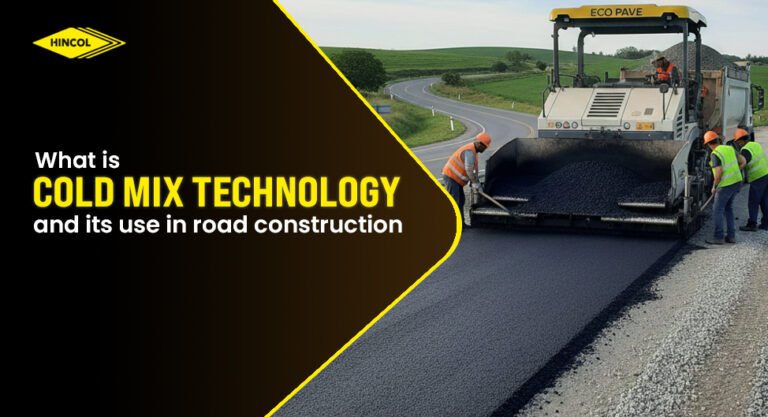
Read also – What is cold mix technology and its use in road construction
FAQs: Understanding Hot Mix Asphalt Technology (2026)